Compare chamber types, dimensions, included equipment and total cost. Use this guide to narrow your options before requesting a quote.
Hard shell vs. soft shell
Hard-shell or soft-shell?
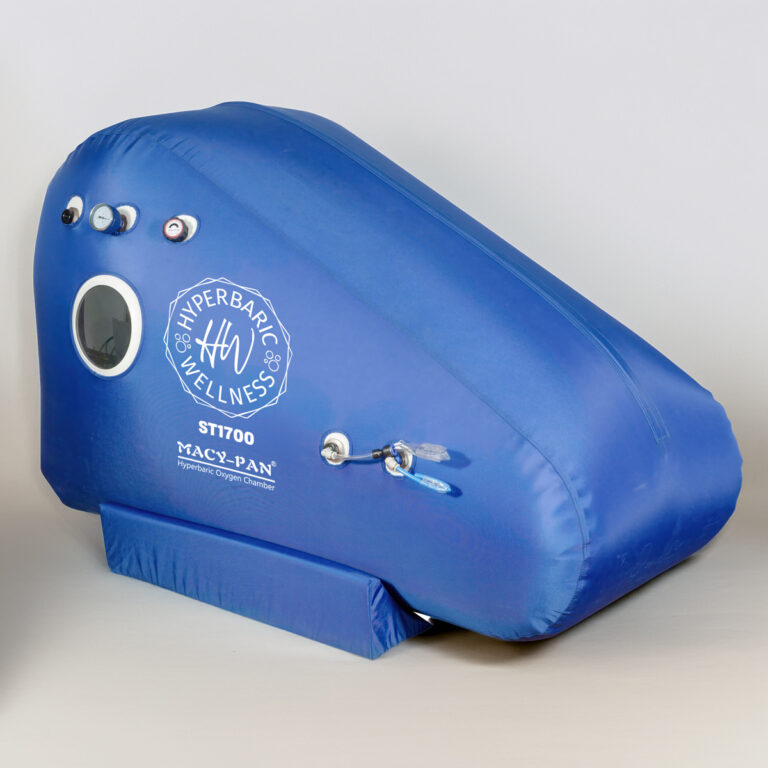
“Soft” describes the chamber’s flexible body—not its size. Both families have different shapes and layouts. Start with how you want to sit, how you’ll get inside, and the space you have.
RIGID BODY
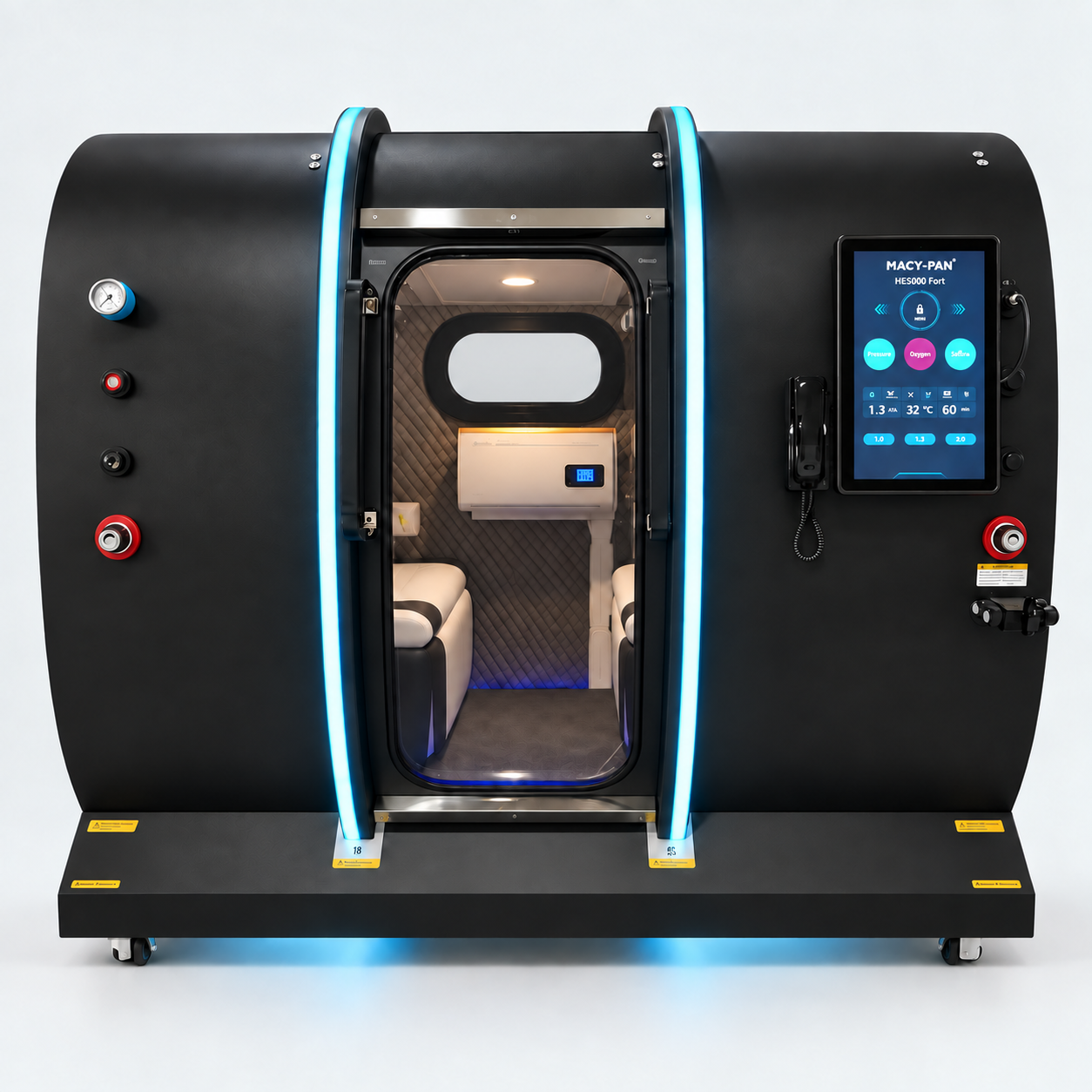
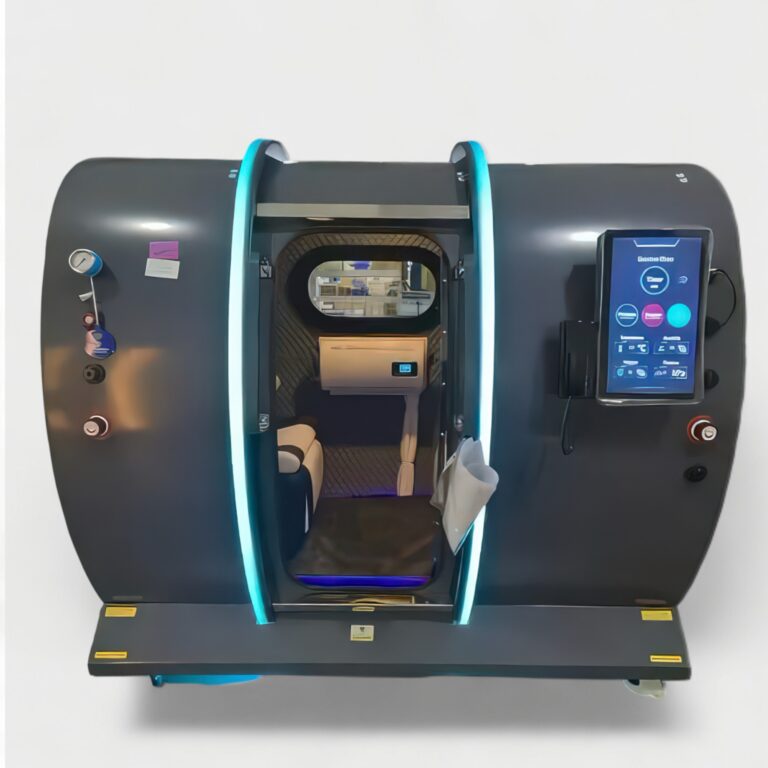
Hard-shell chambers
A solid chamber body, with seated, walk-in and lay-down models in our range.
Think through delivery: check the full route, chamber weight, door opening and equipment space.
Compare the actual model: the HE5000, HP750 and hard lay-down chambers have different layouts, pressure ratings and features.
Know the package: our HE5000 line includes electric reclining seats, smart TV and stars at no added cost. The HP750 has no TV or stars; hard lay-down models have no TV.
A compact hard chamber may suit one room; an upright soft model may suit another. Compare actual dimensions, entry height and the equipment footprint—not just “hard,” “soft,” or the photo.
Pressure: compare the rating.
ATA is the pressure rating. It varies by model and configuration, so ask for the rating of the exact chamber in your quote. A higher number alone doesn’t tell you which chamber fits your needs.
ASME: ask about the option.
We offer an ASME option on the HE5000 line and hard lay-down chambers. It is not available on the HP750 or soft chambers. Confirm the applicable build, cost and documentation before ordering.
Our shortcut: choose your position, check the fit, then compare the complete package. Measure the delivery route before you order.
01 / Start with you
Who will use the chamber?
Start with the person using it and the place it will live. Then compare models.
THE PEOPLE
Who’s coming in?
One person or a shared session? Sitting, reclining, or lying down? Consider entry height, door opening, seat comfort, and the help someone may need getting in and out.
THE PLACE
Where will it live?
A home room and a business space can have very different needs. Confirm access, floor loading, power, ventilation, equipment space, and any property requirements before choosing.
THE ROUTINE
Everyday use and maintenance
Ask about setup, operating noise, cleaning, maintenance, and who needs to be present during use. The right fit should work in everyday life, too.
02 / The tape-measure part
Measure your room and delivery route
The route in: driveway, gate, stairs, lift, narrow hallways, tight turns, and the smallest clear doorway opening. Compare these with shipping and installation dimensions—not just the finished chamber size.
The room: length, width, ceiling height, space to open the door, and the manufacturer’s required service clearance.
The supporting equipment: allow room for the specified oxygen equipment, compressor, cooling equipment, hoses, and access for maintenance.
The practical check: confirm weight and floor suitability, electrical needs, heat, noise, and ventilation with the installer and the appropriate qualified professional.
Send measurements and photos of the route and room when requesting a quote. A photo is helpful; a confirmed installation plan is better.
03 / Compare the actual model
Compare model specifications
Hard shell or soft shell?
Compare the exact model’s construction, entry, usable interior space, seating, operating limits, and setup needs. A category name alone doesn’t tell you what comes with it or how it will work in your space.
Request the operating pressure, oxygen source, delivery method, and oxygen specifications in writing. A pressure rating doesn’t tell you the oxygen concentration someone breathes.
Confirm whether the system uses pressurized air with oxygen supplied through a mask, and which equipment is required for that configuration.
When a chamber is offered under a different brand or model name, compare its documentation—not just its appearance. Rebranding alone does not prove that two packages are the same, better, or worse.
Ask the seller for:
The original manufacturer and exact model or configuration.
The matching specification sheet, user manual, and intended use.
Documentation supporting any certification or clearance claims for that exact model.
Compare the whole offer:
Included equipment and any changes to the standard configuration.
Who provides the warranty, parts, service, and training.
What the seller adds—and what you would pay separately.
The useful question: “Can you show me exactly what is different in this quote?”
05 / The complete quote
Compare the total cost
Request one itemized quote so you can compare the complete setup, delivery, and ongoing costs.
The equipment
Chamber and selected configuration
Required oxygen and air equipment
Cooling, seating, communication, and accessories
Optional upgrades, clearly marked
Getting it ready
Freight, unloading, and delivery location
Inside placement, assembly, and installation
Electrical or room preparation
Training, taxes, and any other fees
After delivery
Maintenance and replacement items
Warranty exclusions, labor, and travel charges
Service response and spare parts
Written cancellation and return terms
“Delivery included” needs a follow-up: included to the curb, inside the building, or fully installed? Get that part in writing.
06 / Support is part of the purchase
Training, warranty and support
Before your first session
Ask for model-specific training, operating instructions, supervision requirements, emergency procedures, and the cleaning and maintenance schedule.
Discuss personal suitability with a qualified healthcare professional. Follow the manufacturer’s instructions for the exact equipment and configuration.
Before your final payment
Confirm the warranty provider, coverage length, exclusions, service location, contact method, and what happens if a part needs replacing.
Ask how installation and handover will be documented, and who is responsible for resolving shipping damage.

 RIGID BODY